Advantages of a Vertical Bifold Wallet Over Other Types
Finding the perfect wallet often comes down to balancing capacity with comfort. While the traditional horizontal bifold has been the standard for decades, the vertical bifold wallet (also known as a "tall" or "upright" wallet) is gaining popularity f...
Finding the perfect wallet often comes down to balancing capacity with comfort. While the traditional horizontal bifold has been the standard for decades, the vertical bifold wallet (also known as a "tall" or "upright" wallet) is gaining popularity for its smarter design and ergonomic benefits. But why choose a vertical wallet over the classic horizontal style?
In this guide, we break down the key advantages of vertical bifold wallets and how they compare to other common wallet types in terms of storage, accessibility, and pocket fit.
What is a Vertical Bifold Wallet?
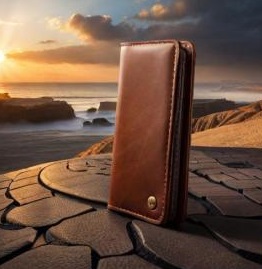
Unlike the standard landscape-oriented wallet, a vertical bifold is taller than it is wide. It still folds in half like a book, but its "portrait" orientation changes how it holds cash and cards. This subtle shift in geometry solves several common annoyances found in traditional wallets.
Key Advantages of Vertical Bifold Wallets
1. Superior Card Security and Organization
One of the biggest benefits of the vertical layout is card orientation. In many vertical bifolds, card slots are arranged so that cards are inserted horizontally or towards the spine. This design often allows for:
- More Card Slots: The taller profile allows for stacking more card slots vertically without making the wallet excessively thick.
- Better Grip: Cards are often easier to pinch and remove because they aren't buried as deep as in some horizontal trifolds.
2. Deeper Cash Compartment for Security
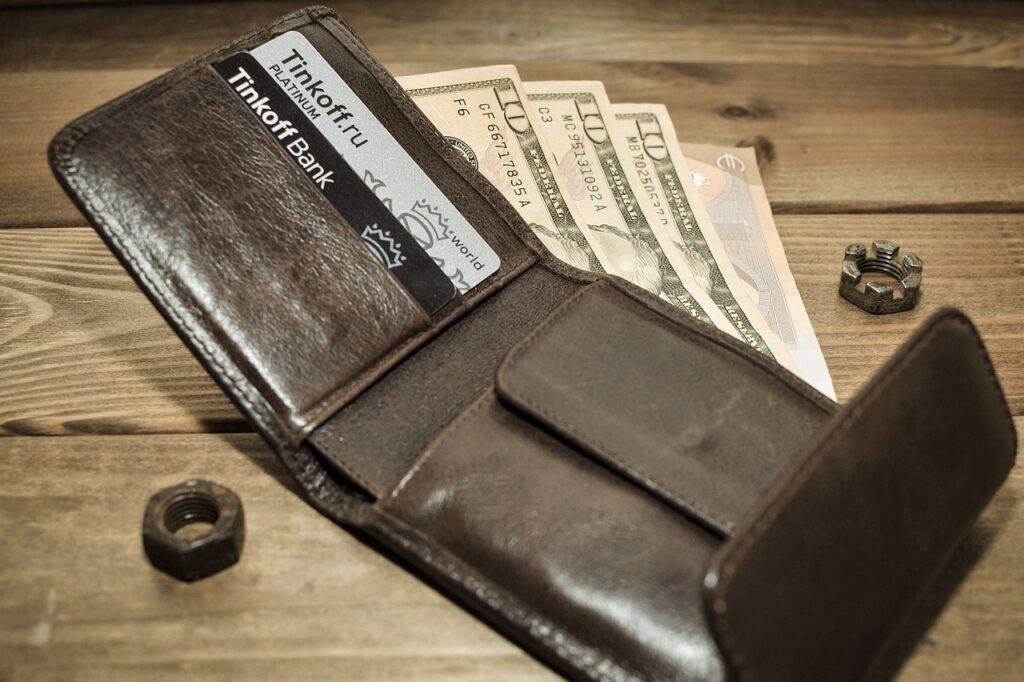
If you travel or carry large bills, the vertical bifold wallet is superior. The tall design creates a much deeper bill compartment compared to a horizontal wallet. This means:
- Bills stay hidden: Large denomination bills or tall foreign currencies (like Euros or Yen) fit completely inside without poking out the top.
- Added privacy: It's harder for bystanders to see how much cash you are carrying when you open your wallet.
3. Better Fit for Front and Breast Pockets
The "tall and narrow" shape mimics the dimensions of a smartphone. This makes the vertical bifold an excellent choice for:
- Front Pocket Carry: Its narrower width allows it to slide easily into front pockets alongside a phone, reducing the risk of pickpocketing associated with back-pocket carry.
- Jacket Breast Pockets: The slim, upright profile fits perfectly into the interior pocket of a suit jacket or blazer without creating an unsightly bulge.
Vertical vs. Horizontal Bifold: Which is Right for You?
When deciding between vertical vs horizontal bifold wallets, consider your daily carry habits:
- Choose Vertical if: You carry a lot of cards, travel internationally with different currencies, or prefer carrying your wallet in a front pocket or suit jacket.
- Choose Horizontal if: You prefer the classic look, carry mostly US dollars (which are shorter), and are used to the traditional back-pocket carry.
Conclusion
The vertical bifold wallet offers a modern twist on a classic accessory. By rotating the design 90 degrees, it provides deeper storage for cash, better security for cards, and a form factor that fits modern pockets better. If you're looking for a wallet that combines the capacity of a bifold with a slimmer, more ergonomic footprint, the vertical bifold is the clear winner.
Next Up
What is a vertical bifold wallet, and how does it differ from a traditional bifold wallet?
Typical vertical bifold wallet: How many card slots and compartments?

Creative director at ChicCuir, overseeing seasonal collections and brand visual identity.